
"Andes microregion"
3540 article(s) found

Columbia Yana Linglong Coffee Brand introduces the meaning of Columbia Linglong Flavor Flavor name
For more information on coffee beans, please follow the coffee workshop (Wechat official account cafe_style) Coffee production area in Colombia is located in the Andes Mountains at the junction of southeastern Colombia and Ecuador (Andes Mountains, which begins in Chile and Argentina in the south, across the north and south of Colombia, and runs through exquisite production at the same time.

A brief introduction to the Flavor description of the growing Environment of Coffee beans in Lazimus Manor, Colombia
A brief introduction to the Flavor description of the growing Environment of Coffee beans in Lazimus Manor, Colombia Coffee is divided into more than 200 grades, which means that the coffee is very regional. The country's coffee-producing areas are located in the Andes, where the climate is mild and the air is humid. Colombia has three Codiera mountains running north and south, right into the Andes. Planted along the highlands of these mountains

Introduction to the flavor and taste of Ecuadorian coffee manor with a unique flavor
Central mountain: after entering Ecuador from Colombia, the Andes is divided into the eastern and western Cordillera mountains, with a plateau high in the north and low in the south, averaging between 2500 and 3000 meters above sea level. The Andes run through the middle of the border. The ridges crisscross, dividing the plateau into more than ten intermountain basins. The most important are the Quito basin and the Cuenca basin in the south. Volcanic crowds in the territory

Fragrant Ecuadorian Coffee Flavor Manor to introduce the characteristics of boutique coffee beans
Central mountain: after entering Ecuador from Colombia, the Andes is divided into the eastern and western Cordillera mountains, with a plateau high in the north and low in the south, averaging between 2500 and 3000 meters above sea level. The Andes run through the middle of the border. The ridges crisscross, dividing the plateau into more than ten intermountain basins. The most important are the Quito basin and the Cuenca basin in the south. Volcanic crowds in the territory

Introduction to the characteristics of Peruvian Coffee Organic Coffee Flavor and Taste Manor
After peaceful negotiations between the two sides in 1929, Peru took back Tacona.

Colombian Santa Rita Coffee Manor Andes Micro-producing area American Coffee
The history of coffee cultivation in Colombia can be traced back to the Spanish colonial era in the 16th century, and there are many theories about the history of coffee in Colombia: one: it is said to come from the island of Haiti in the Caribbean and from El Salvador in Central America. Second: in 1808, a priest introduced coffee beans to Colombia for the first time from the French Antilles via Venezuela. One of them

Fragrant Coffee Flavor description of Santa Cruz Manor in Ecuador introduction of Grinding degree planting Environment
West coast: including coastal plains and foothills, high in the east and low in the west, generally below 200 meters above sea level, with some hills and low mountains at an altitude of 600 to 700 meters. Belongs to the tropical rain forest climate, the southernmost end begins to transition to the savanna climate. The average annual precipitation decreases from more than 3000 mm to about 500mm from north to south. Central Mountains: the Andes enter Ecuador from Colombia
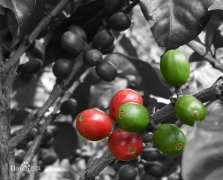
Micro-producing area of Santa Rita coffee in the Andes, Colombia
The history of coffee cultivation in Colombia can be traced back to the Spanish colonial era in the 16th century, and there are many theories about the history of coffee in Colombia: one: it is said to come from the island of Haiti in the Caribbean and from El Salvador in Central America. Second: in 1808, a priest introduced coffee beans to Colombia for the first time from the French Antilles via Venezuela. One of them

Colombian Coffee region introduces Hope Manor in the Andes
The pure taste of Colombian coffee comes from Colombia's natural environment with the most favorable conditions for coffee growth. But beyond that, it is inseparable from the hard work of local growers. In Colombia, coffee cultivation has reached 1.07 million hectares, there are about 302000 coffee plantations in the country, and 30 to 40 per cent of the rural population depends directly on coffee production. Columby

The taste is clear and lingering. Santa Cruz Manor Coffee Flavor Taste Variety Introduction
The Andes Mountains, after entering Ecuador from Colombia, are divided into the Cordillera Mountains in the east and west. Between the two mountains is a plateau high in the north and low in the south, with an average altitude of 2500 meters to 3000 meters. The Andes run through the middle of the border. Ridges crisscross the plateau, dividing it into more than a dozen intermountain basins. The most important are the Quito basin and the Cuenca basin in the south. There are many volcanoes in the territory and frequent earthquakes.
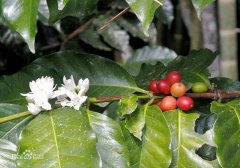
American coffee beans in the micro-producing areas of the Santa Rita Andes, Colombia
The history of coffee cultivation in Colombia can be traced back to the Spanish colonial era in the 16th century, and there are many theories about the history of coffee in Colombia: one: it is said to come from the island of Haiti in the Caribbean and from El Salvador in Central America. Second: in 1808, a priest introduced coffee beans to Colombia for the first time from the French Antilles via Venezuela. One of them

Colombia Lazmos Estate Single Bean Coffee Bean Growing Area Flavor Description Growing History Variety
Professional barista communication, please pay attention to coffee workshop (Weixin Official Accounts cafe_style ) Colombia coffee is divided into more than 200 grades, that is to say, coffee is very regional. The country's coffee-producing regions are located in the Andes, where the climate is mild and the air is humid. Colombia has three Cordillera mountains running north-south, right into the Andes. along the highlands of these mountains.

Produced in the Ecuadorian Arabica Coffee San Cristobal region of the Andes
Because of the unique role of the Galapagos Islands in the course of history, the Government of Ecuador has designated the Galapagos Islands as a national park, the land is no longer allowed to be reclaimed as new agricultural land, and the introduction and use of chemical fertilizers, pesticides, herbicides and other chemicals are strictly prohibited, so coffee produced in the Galapagos Islands is recognized as a natural product. It's increasing. The best Arabica coffee.

Columbia Coffee Manor introduction to Lazmus Manor in the Andes
To really understand the flavor changes and product differences of coffee beans is to understand the production place and growers, different manors with different flavors, or different flavors on different hills of the same manor, and the story behind each coffee bean is what the fragrance wants to know. It can be traced back to which plot of the estate where the beans came from, or which cooperative or which farmer, chasing the flavor of the region. To

Water washing treatment of Santa Rita coffee beans in micro-producing areas of the Andes Mountains
The history of coffee cultivation in Nigeria can be traced back to the Spanish colonial era in the 16th century, and there are many theories about the history of coffee in Colombia: first, it is said to have come from the island of Haiti in the Caribbean and from El Salvador in Central America. Second: in 1808, a priest introduced coffee beans to Colombia for the first time from the French Antilles via Venezuela. One of them is

A brief introduction to Hope Manor in the Andes, a coffee-producing region of Colombia
Coffee workers go up the mountain to pick coffee beans (also known as coffee cherries) by hand, so they can pick carefully and pick the most ripe and full fruits. The vast majority of Colombian coffee beans are water-washed and moderately roasted with a light, silky and sometimes sour taste, which is not as strong as Brazilian coffee and Italian Expresso and is known as green.

Introduction to the flavor and taste characteristics of Ecuadorian coffee manor with a long lingering aftertaste
Central mountain: after entering Ecuador from Colombia, the Andes is divided into the eastern and western Cordillera mountains, with a plateau high in the north and low in the south, averaging between 2500 and 3000 meters above sea level. The Andes run through the middle of the border. The ridges crisscross, dividing the plateau into more than ten intermountain basins. The most important are the Quito basin and the Cuenca basin in the south. Volcanic crowds in the territory

Columbia Coffee Manor Hope Manor Coca Cauca Columbia Coffee beans in the Andes
HernandoTapasco's team, the lead botanist, set up a climate station on the estate to track weather data and help make harvest decisions. The data on the farm were collected continuously and analyzed once a week. After harvest, they will compare weather data, production data and cup test data and analyze the correlation. The harvesters of Rose Summer are strictly trained to harvest only ripe cherries

Recommended by Guangzhou specialty cafe-Andes coffee
On the opposite side of Diwang Square, the environmental comfort decoration is a little European style, the surrounding is very lively, the product has always been quite good, the price is not too expensive, the nearby friends can go over and have a try! Shop 1013, B1 floor, Diwang Plaza, 26 Jiaxichang Road, Guangzhou City